

Waste and Cost Reduction for Epping and Preston Concrete Plants
Zero-waste pilot at two Melbourne sites creates scalable model for more sustainable operations
Holcim Australia has successfully delivered a zero-waste environmental improvement project at its Epping and Preston concrete plants in Melbourne’s north, marking a milestone in our Health, Safety and Environmental Improvement Plan (HSE-IP).
The initiative contributes to Holcim’s broader ambition to deliver projects with zero environmental impact. Under the program, projects target three outcomes: zero waste disposal to landfill, zero Scope Two CO₂ emissions from electricity consumption on site, and zero water discharge incidents.
For the first time, a zero-waste project has been completed at two sites simultaneously. The Epping and Preston concrete plants were selected as pilot locations, and the project also represents the first time a HSE-IP zero environmental impact initiative has been delivered outside New South Wales or Queensland.
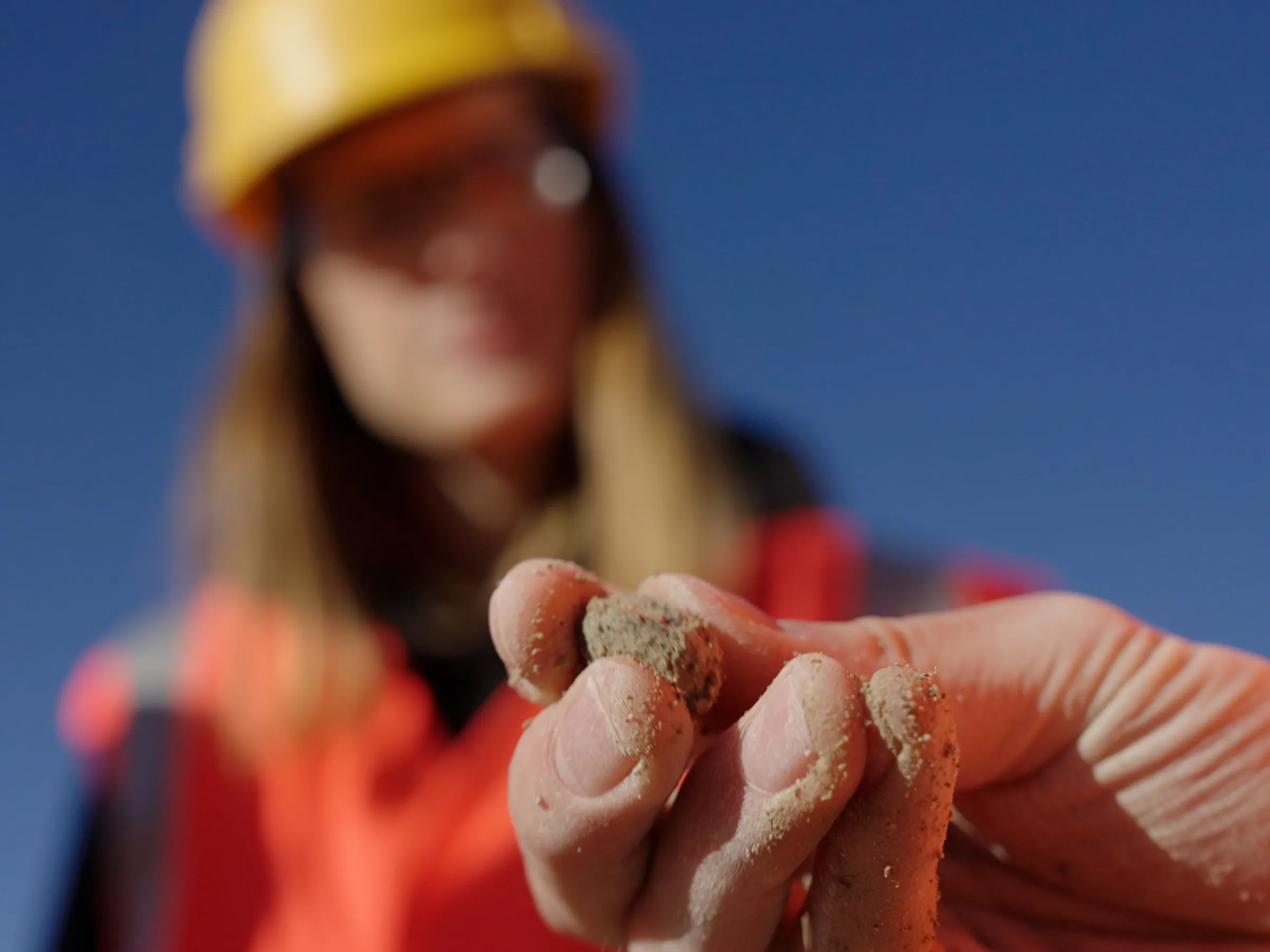
Returned concrete from both plants is now processed at Holcim’s Oaklands Junction Quarry, where it is repurposed into recycled aggregates.
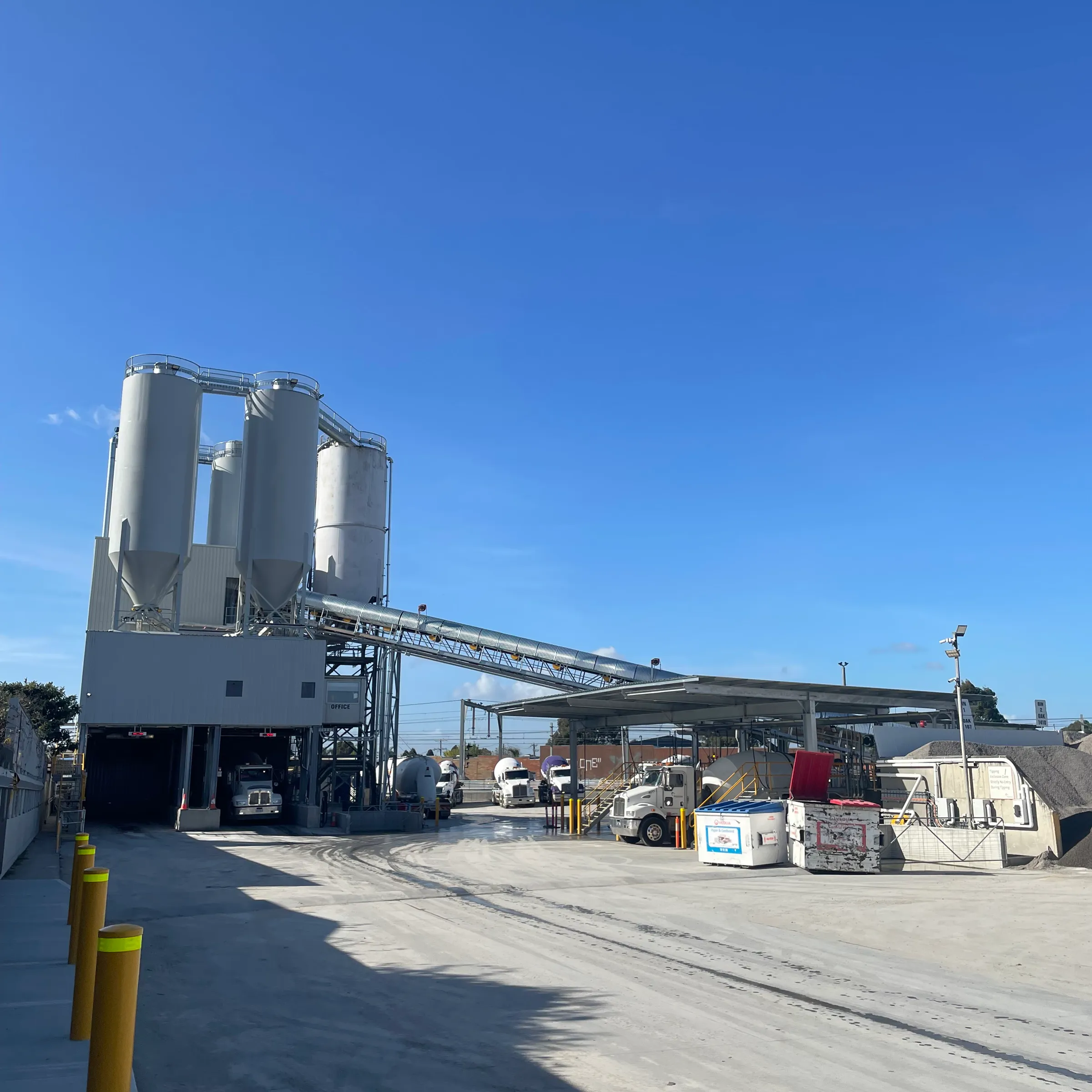
Holcim’s Epping concrete plant was one of two Melbourne sites selected for the zero-waste environmental improvement project.
Targeting waste at the source
Building on the waste reduction and recycling strategies introduced at the Brisbane City concrete plant in 2024, the Melbourne team began with an internal waste audit to identify the main sources of landfill waste. Timber pallets were found to be a major contributor.
Each site implemented practical solutions to prevent pallets from entering general waste streams. At Epping, arrangements were made with a waste contractor to collect pallets for recycling. At Preston, a supplier agreed to collect and reuse the pallets at no cost to the business.
Returned concrete from both plants is now processed at Holcim’s Oaklands Junction Quarry, where it is repurposed into recycled aggregates. Additional measures were introduced on site, including commingled recycling bins for aluminium, glass and soft plastics, along with compost bins for food and organic waste.
Environmental outcomes and cost savings
The pilot has delivered promising early results, showing how simple operational changes can reduce waste, improve resource recovery and lower costs across both sites.
Over a three-month period from September to November 2025, the Epping and Preston plants collectively diverted significant material from landfill:
- 2.56 tonnes of cardboard and paper recycled
- 150 timber pallets diverted for reuse or recycling
- 240 kg of commingled recyclable waste recovered
- approximately 50 kg of food and organic waste composted
Adjustments to waste collection frequency and bin sizes have also reduced operational costs, with estimated annual savings of around $10,000 across both plants.
The project demonstrates how practical operational changes can support both environmental outcomes and efficiency improvements, while contributing to Holcim’s ongoing work to decarbonise operations and reduce resource use across its network.

Timber pallets stacked for recycling at Holcim’s Epping concrete plant as part of the site’s zero-waste improvement project.

Skip bins for recycling at Holcim’s Preston concrete plant, supporting improved waste separation and diversion from landfill.
I’m thrilled to be a part of this initiative. It was fantastic to achieve sustainable outcomes alongside cost reduction. The project has provided a great framework for waste disposal at both plants and that will continue moving forward. A special thanks to the Operations Teams at both Epping and Preston for their support with this.
Scaling the approach
Following the successful rollout at Epping and Preston, the waste management framework established through this project will be extended to four additional ready-mix concrete plants across Melbourne during 2026 as part of the next HSE-IP program.